Innovative technologies, advanced data analytics and specialized services are helping airlines and airports to optimize performance, reduce environmental impact and comply with regulations.
According to reports, the aviation market, valued at $169.72 billion in 2022, is expected to grow to $337.0 billion by 2030, growing at a CAGR of 7.10 percent.
Fueling this growth are several key drivers. Novel technologies like digital security are a major trend in airports, such as walk-through security and biometrics, to reduce wait times and automate verification. Suppliers are integrating cybersecurity into their solutions and promoting security suites to stay competitive.
Airlines are exploring blockchain for real-time flight updates, retail, distribution and baggage handling, with some already using it for loyalty wallets to redeem miles at points of sale. As a result of providing a single source of truth, blockchain can enhance accuracy and reduce costs.
Airlines are implementing augmented reality (AR) and virtual reality for airport wayfinding, remote operational control and immersive inflight entertainment. AR can help passengers navigate terminals and assist mechanics in performing faster and more accurate repairs. These technologies improve efficiency, reduce equipment breakdowns and minimize flight delays.
This edition of Aerospace and Defense Review presents the latest developments in the aviation sector. It brings insights from Mike Byham, director operations engineering at American Airlines, who discusses how advancements in technology, particularly AI and machine learning, can improve the accuracy of aircraft performance data.
Milad Shaheen, vice president of engineering at CIRCOR Aerospace & Defense, highlights AI’s transformative impact across all business functions, from cybersecurity to engineering and decision-making, emphasizing its potential to boost productivity, drive innovation, and revolutionize processes.
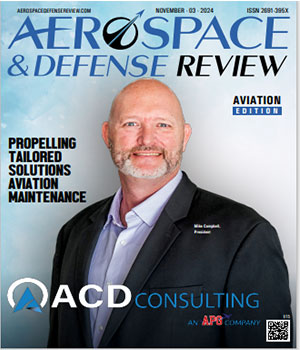
The magazine highlights Aircraft Certificate & Design Consulting’s innovative approach to overcoming aviation supply chain challenges by embracing alternative parts and new product development. It underscores its customer-centric ethos, expert leadership, and strategic partnerships, showcasing its role in shaping the future of aviation with innovative solutions and regulatory compliance.
We hope this edition, featuring the Top Aviation Solutions Providers in 2024, helps you improve operational performance through innovation.